









Blog
The Essential Role of Psychology in Forex Trading 1759388500


The Essential Role of Psychology in Forex Trading
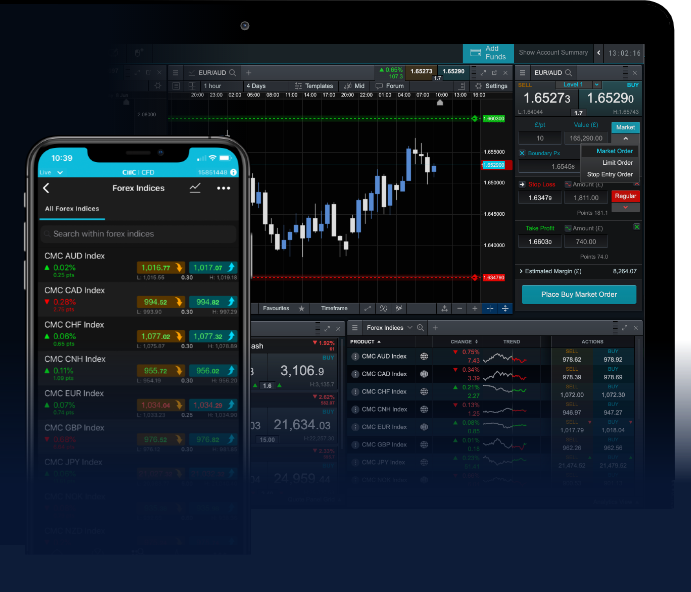
Forex trading is not just about numbers and charts; it’s significantly influenced by the trader’s mindset. Understanding trading psychology can lead to better decision-making and improved trading performance. Combining the right strategies with forex trading psychology Top MT4 Trading Apps can give you the edge you need in the increasingly competitive world of Forex trading. In this article, we will explore the fundamentals of Forex trading psychology, the common emotional pitfalls traders face, and strategies to develop a successful trading mindset.
Understanding Trading Psychology
Trading psychology refers to the emotional and cognitive aspects that impact a trader’s decision-making processes. Emotions such as fear, greed, hope, and regret play significant roles in how traders respond to the market. Recognizing these factors is essential for any Forex trader aspiring for long-term success.
The Impact of Emotion
Emotions can both drive and derail trading decisions. For instance, fear of loss can lead to premature exits from trades, while greed may prompt traders to hold onto losing positions longer than advisable, hoping for a turnaround. Understanding these emotional triggers is the first step in developing a rational trading approach.
Common Emotional Pitfalls
As traders embark on their Forex journey, they often encounter emotional pitfalls that can adversely affect their performance. Below are some of the most prevalent emotional challenges:
- Overconfidence: Traders may become too confident after a few successful trades, leading them to increase their risk exposure dangerously.
- Fear of Missing Out (FOMO): This can lead to impulsive trades based on market hype rather than sound strategy.
- Loss Aversion: The psychological impact of losses can deter traders from taking necessary risks or making logical decisions.
- Revenge Trading: After a loss, some traders may seek to recover their money through aggressive, ill-considered trades.
Developing a Successful Trading Mindset
To mitigate emotional pitfalls, Forex traders can employ several strategies to cultivate a disciplined and effective trading mindset:
1. Create a Trading Plan
A well-structured trading plan outlines trading strategies, risk management techniques, and specific trading goals. This roadmap helps traders stick to their strategies and reduces impulsive decision-making driven by emotions.
2. Practice Mindfulness
Mindfulness techniques, such as meditation and deep-breathing exercises, can help traders center themselves and maintain emotional equilibrium. By developing awareness of their emotions, traders can create space for rational decision-making.
3. Keep a Trading Journal
Documenting trades helps traders reflect on their decisions and emotions throughout the trading process. By reviewing their journals, traders can identify emotional triggers and patterns that impact their performance. This awareness enables continuous improvement.
4. Set Realistic Expectations
Forex trading is a long-term endeavor, and traders should set realistic expectations for their performance. Accepting that losses are part of the trading process can help mitigate the emotional impact of losing trades.
5. Emotional Regulation
Traders must learn to regulate their emotions. This includes recognizing when they are feeling overwhelmed or overly emotional and taking breaks when necessary. Developing emotional resilience allows traders to make more objective decisions.
The Role of Community and Support
Having a support system can significantly impact a trader’s psychological well-being. Engaging with a community of like-minded traders can provide encouragement and accountability. Participating in forums or local trading groups can help traders share experiences and strategies, reducing the emotional burden of trading alone.
Continuous Learning and Adaptability
The Forex market is constantly evolving, and successful traders must adapt to changing conditions. A commitment to continuous learning helps traders stay informed about market trends, new strategies, and the psychological aspects of trading. Adapting to change can alleviate anxiety related to uncertainty, fostering a more stable trading mindset.
Conclusion
Forex trading psychology is a critical component of successful trading. By understanding and managing emotional drivers, traders can improve their decision-making and performance. Implementing strategic planning, mindfulness, journaling, and community support will aid in cultivating a resilient trading mindset, ultimately leading to increased success in the Forex market. The road to success may be tumultuous, but with the right mindset, traders can navigate the challenges of Forex trading with greater confidence and skill.